(888) 555-0123 — Portland's Oven Repair Specialists
Portland, OR & Metro Licensed Technicians (888) 555-0123
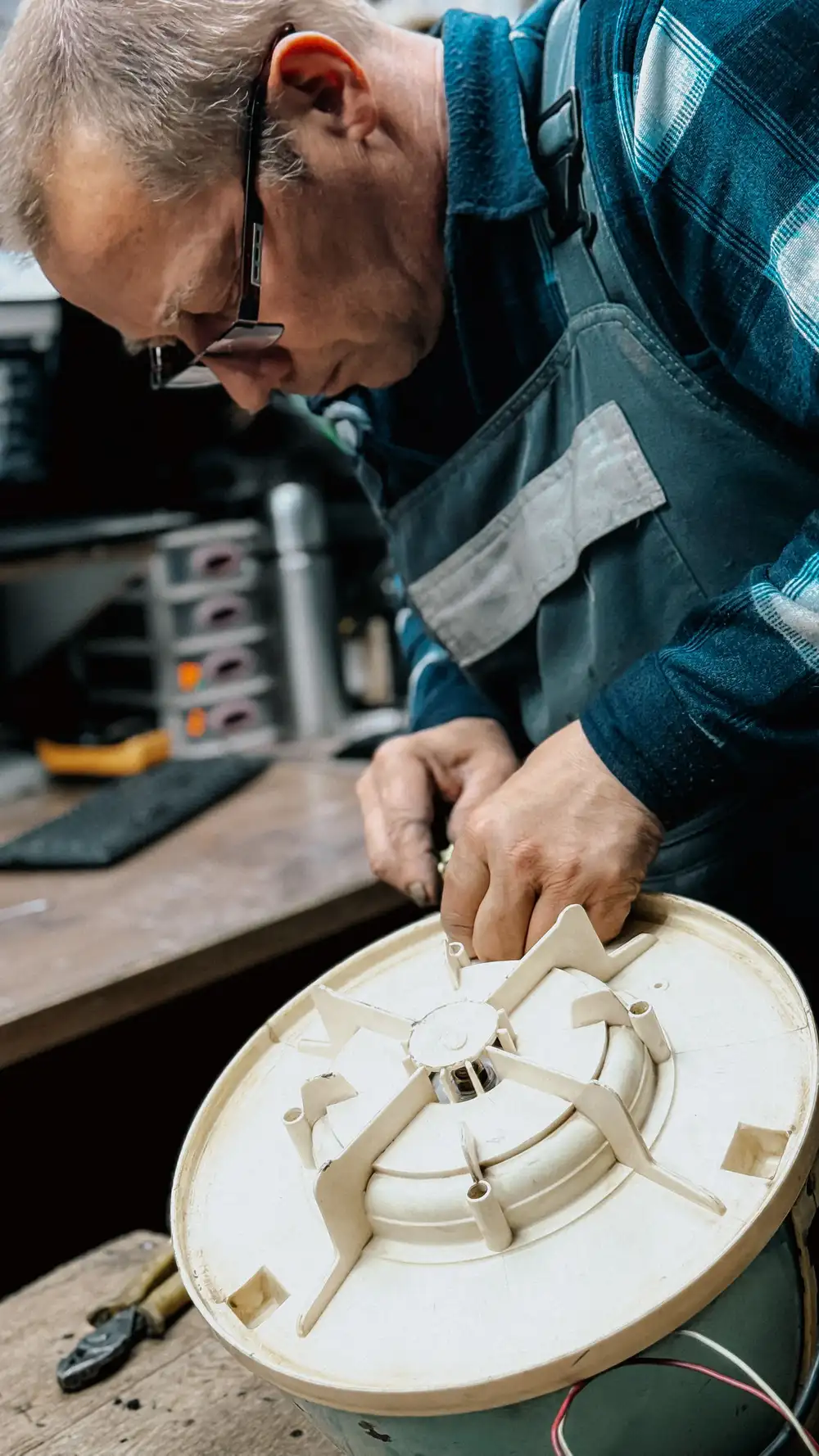
Technician replacing an oven igniter and heating element in Portland
Services • Igniter & Heating Element Repair

Oven Igniter & Heating Element Repair in Portland, OR

The cost to fix a heating element in an oven is generally moderate compared to a control board or gas-valve repair, since the part itself is relatively affordable — most of the cost is diagnostic labor to confirm the element (not the thermostat or control board) is the actual fault.

Licensed TechniciansIgniter & element specialists
Portland MetroService-area coverage
(888) 555-0123Call to schedule

Igniter and heating element problems are among the most common oven repair calls we get, because both parts do the direct work of getting your oven to temperature — and both wear out with normal use over years of operation. On a gas oven, a weak or failed igniter means the burner either won't light at all or takes several attempts to catch. On an electric oven, a burned-out bake or broil element means one or both heat sources stop working, which shows up as an oven that runs cold, bakes unevenly, or won't reach the set temperature at all.

What's Included

What We Check for Igniter & Element Faults

The same diagnostic path, every visit.

Igniter Resistance Test

Measuring igniter resistance and glow time to catch a weakening igniter before it fails completely.

Element Continuity

Testing bake and broil elements for continuity to confirm which, if either, has failed.

Sensor & Control Cross-Check

Ruling out a sensor or control board fault that could mimic an element problem.

Uneven Heat Diagnosis

Identifying whether uneven baking traces to one failing element rather than both.

Igniter & Element Diagnostic Checklist
  • Igniter glow-time & resistance measured
  • Bake & broil element continuity tested
  • Correct replacement part confirmed for model
  • Control board ruled in or out as root cause
Our Process

How an Igniter or Element Repair Visit Works

  1. Call to schedule — tell us the oven type and symptom (won't ignite, won't heat, uneven bake).
  2. On-site diagnosis — we test the igniter or element directly rather than guessing from symptoms alone.
  3. Confirm the part — we match the exact replacement part number for your model.
  4. Replace & verify — the new part is installed and the oven is tested at temperature.

Brands We See Most Often

We regularly diagnose igniter and element faults on Whirlpool, GE, Samsung, LG, Bosch, KitchenAid, Frigidaire, Sub-Zero, and Jenn-Air ovens and ranges. We're not an authorized dealer for any of these manufacturers, but our technicians are familiar with the common failure points across each brand's control logic.

Why Diagnosis Matters

Don't Guess Between Igniter, Element & Sensor

A weak flame, a cold spot, or an oven that won't heat at all can point to several different components, and swapping the wrong part first just delays the actual fix. We test each component directly — igniter resistance, element continuity, sensor accuracy — before recommending a repair.

  • Direct component testing, not guesswork
  • Correct part-number matching per model
  • Post-repair temperature verification
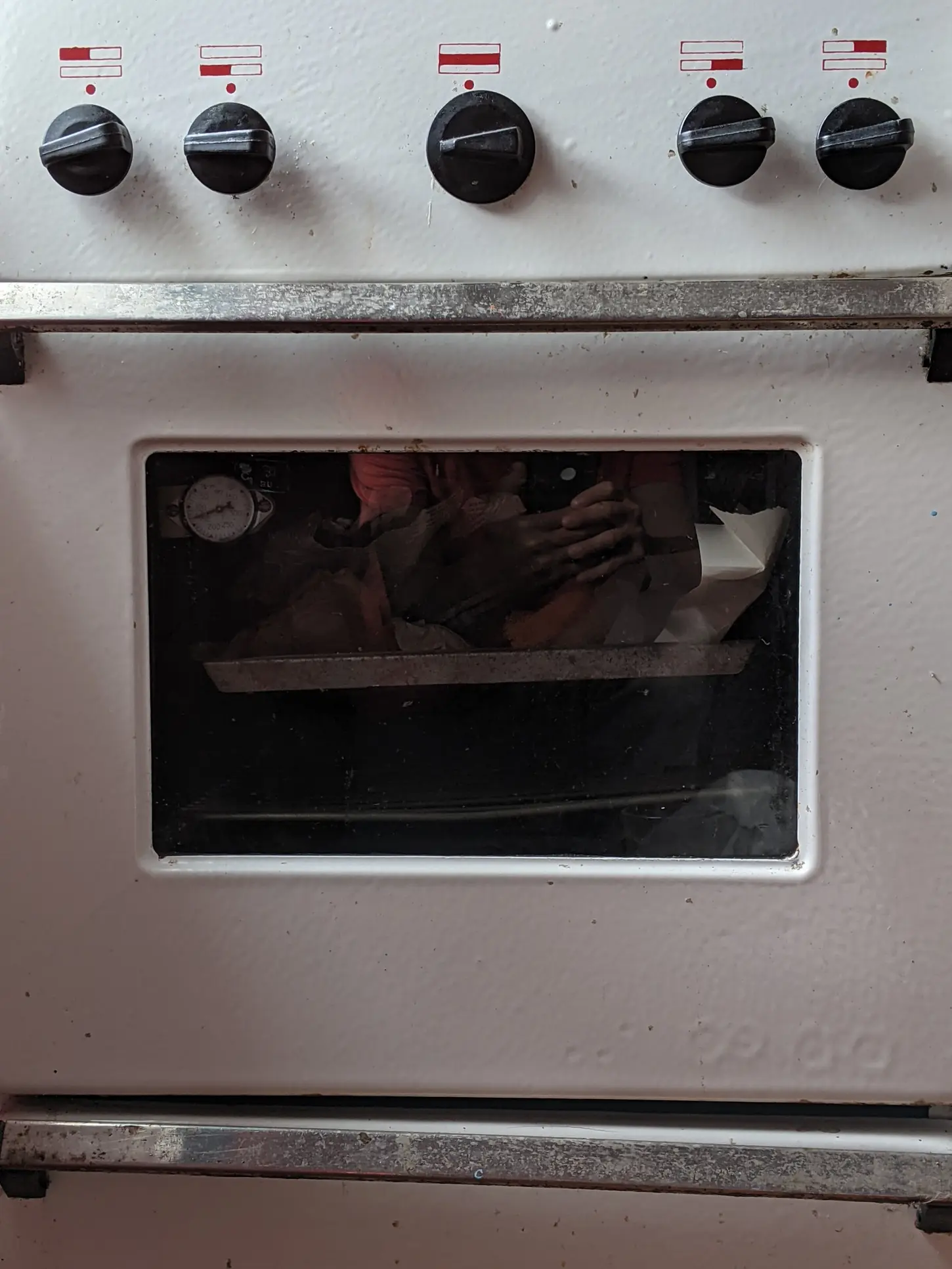
Oven heating element and interior detail

How Much Does It Cost to Fix a Heating Element in the Oven?

The cost to fix a heating element is generally moderate — the part itself is relatively affordable on most models, and the labor involves confirming the element (rather than the thermostat, sensor, or control board) is the actual point of failure. That diagnostic step matters because a cold spot or an oven that won't heat can look identical whether the cause is the element itself or the control board that powers it, and those two repairs cost very differently.

Why Igniters and Elements Fail Over Time

Both igniters and heating elements are consumable parts by design — they carry electrical current or combust gas thousands of times over an oven's life, and that repeated cycling eventually wears them out. A gas igniter typically fails gradually: it starts taking longer to glow hot enough to ignite the gas, then eventually stops glowing enough entirely. An electric heating element usually fails more abruptly, often with a visible blister, split, or burn mark on the coil itself once it finally gives out completely. Knowing which failure pattern you're seeing helps narrow down the diagnosis before a technician even arrives.

What Happens If You Ignore a Failing Igniter or Element

A weakening igniter or a partially failed element doesn't always mean the oven stops working entirely — it often just means longer preheat times, inconsistent temperatures, or one section of the oven cooking slower than another. Left unaddressed, a struggling igniter on a gas oven can eventually fail to ignite at all, and a failing element can eventually short out, which eventually can trip a breaker repeatedly. Addressing the issue at the first sign of trouble is usually simpler and less costly than waiting for a full failure.
Quick Answers

Igniter & Heating Element FAQs

Straight answers — no clicking around.

How much does it cost to fix a heating element in the oven?
The part itself is generally moderate in cost — the bigger factor is confirming through testing that the element, not the sensor or control board, is actually the fault, since those repairs differ significantly in cost.
How do I know if it's the igniter or something else?
A weak or slow-to-glow igniter, or a burner that takes multiple attempts to light, usually points to the igniter itself — but we confirm with a resistance test rather than assuming.
Can one heating element fail while the other still works?
Yes — bake and broil elements operate independently in most ovens, so one can fail while the other continues to function normally, which is itself a useful diagnostic clue.

Ready to Fix an Igniter or Element Problem?

Call Portland Oven Repair to schedule a same-day or next-day diagnostic visit.

(888) 555-0123
Call Portland Oven Repair
Call Now